Short Summary
Singapore in 2026 offers a dense mix of year-round attractions, blockbuster events and new experiences across Marina Bay, Sentosa, Mandai Wildlife Reserve and heritage neighbourhoods. This hub consolidates opening hours, ticket ranges, transport, nearby food, accessibility, seasonal advice and practical planning checklists for tourists, expats, couples, families and solo travelers.
Featured Snippet Answer
Singapore is best experienced over three to five days, combining Marina Bay and Gardens by the Bay, cultural districts like Chinatown and Little India, and either Sentosa Island or Mandai's wildlife parks. In 2026, major highlights include i Light Singapore at Marina Bay, the Singapore Grand Prix, new attractions such as Singapore Oceanarium and Minion Land, immersive art at IMBA Theatre, and year-round family activities from Dopamine Land to Minecraft Experience at Mandai.
Quick Facts
- Typical first-visit length: 3–5 days for core highlights; longer stays add quieter neighbourhoods and day trips.
- Climate: hot and humid all year (~28–32°C); driest months often February–April; heaviest rain November–January.
- Currency: Singapore Dollar (SGD); cards widely accepted, cash useful for hawker centres and small shops.
- Languages: English plus Mandarin, Malay and Tamil; English is the default language for tourism and business.
- Safety: consistently ranked among the world's safest cities, with very low violent crime but strict laws on littering, drugs and public behaviour.
- Average visitor stay: about 3.5–4 days according to tourism data and typical itineraries.
- Key attraction clusters: Marina Bay & Colonial Core, Sentosa Island, Mandai Wildlife Reserve, heritage neighbourhoods, free nature spots and Changi/Jewel.
Key Takeaways
- You can see the essentials in three days, but five days gives breathing room for Sentosa, wildlife parks and slower food-focused exploration.
- Marina Bay plus Gardens by the Bay deliver Singapore's flagship skyline and evening light shows; Sentosa packs beaches, Universal Studios and new 2026 attractions into one island.
- Mandai Wildlife Reserve in north Singapore is the hub for Singapore Zoo, River Wonders, Night Safari and new experiences like Exploria and the Minecraft Villager Rescue.
- Heritage areas like Chinatown, Little India, Kampong Glam, Joo Chiat and Tiong Bahru turn the city into walkable, food-rich neighbourhoods rather than just malls and theme parks.
- A smart plan clusters attractions by MRT line (e.g. Marina Bay + Gardens in one day, ethnic districts in another, Sentosa or Mandai as a focused day) to minimise transit time and heat fatigue.
Introduction
Singapore is a compact city-state built around a dramatic waterfront, dense public transport network and a mix of modern megaprojects and historic neighbourhoods. For visitors, the main challenge is not finding things to do but choosing the right combination of attractions, events and food experiences for limited days and diverse travel styles. This hub is designed as a practical planning brain: every section answers a specific question (when to visit, what to do with kids, how much it costs, how to move around, what's new in 2026) so you rarely need a second tab.
Everything Visitors Need to Know
Visa & Entry
Many nationalities (including most EU, US, UK, Australian and Canadian passport holders) can enter Singapore visa-free for short tourist stays (typically 30–90 days), but rules vary by country and should be checked with the Immigration & Checkpoints Authority (ICA) before travel. Passports usually need at least six months' validity beyond arrival, and all visitors must complete the electronic SG Arrival Card within the three days before entry. If you have been in a yellow-fever-risk country within six days of arrival, you must carry a valid vaccination certificate or risk quarantine or refusal of entry.
Money & Costs
Singapore uses the Singapore Dollar (SGD), with ATMs and card facilities widely available at Changi Airport, malls and around major attractions. Daily budgets vary widely: a lean backpacker day can run USD 35–70, mid-range days about USD 150–250, and comfort-oriented days with taxis and multiple ticketed attractions around USD 295–465. Hawker centres keep food costs low (often SGD 5–10 per dish), while paid attractions such as Gardens by the Bay conservatories, Singapore Zoo or Sentosa theme parks typically add SGD 20–60 per day depending on choices.
Safety, Laws & Etiquette
Singapore is extremely safe but has strict rules on littering, smoking in public spaces, eating or drinking on MRT trains, drug possession and vandalism, all carrying hefty fines or worse. Tipping is generally not expected thanks to service charges in many restaurants, and basic etiquette includes removing shoes before entering homes and respectful behaviour in temples and places of worship. English is widely spoken, so most visitors can navigate signs, transport and menus without difficulty.
Weather & Clothing
The climate is tropical: hot and humid with brief but intense rainstorms, meaning light, breathable clothing, sun protection and comfortable shoes are essential. February–April often feel slightly less humid and rainy, while November–January can bring prolonged showers; indoor attractions and malls help you adapt plans to sudden downpours. A light layer is useful for heavily air-conditioned malls and cinemas, which can feel chilly after long walks in the heat.
How Many Days & Best Months
Three days is enough for first-time visitors to see Marina Bay, Gardens by the Bay, cultural districts and either Sentosa or a wildlife park if you plan efficiently. Four to five days offer a more relaxed pace, adding time for Mandai Wildlife Reserve, neighbourhood walks (e.g. Joo Chiat) or a slower airport day at Jewel Changi, aligning with average stay lengths of around 3.5–4 days. Overall, February–April and parts of May–June balance relatively lower rainfall with numerous events, while July–September adds sales and festivals but can push accommodation prices higher.
Major Attraction & Event Zones
Marina Bay & Colonial Core
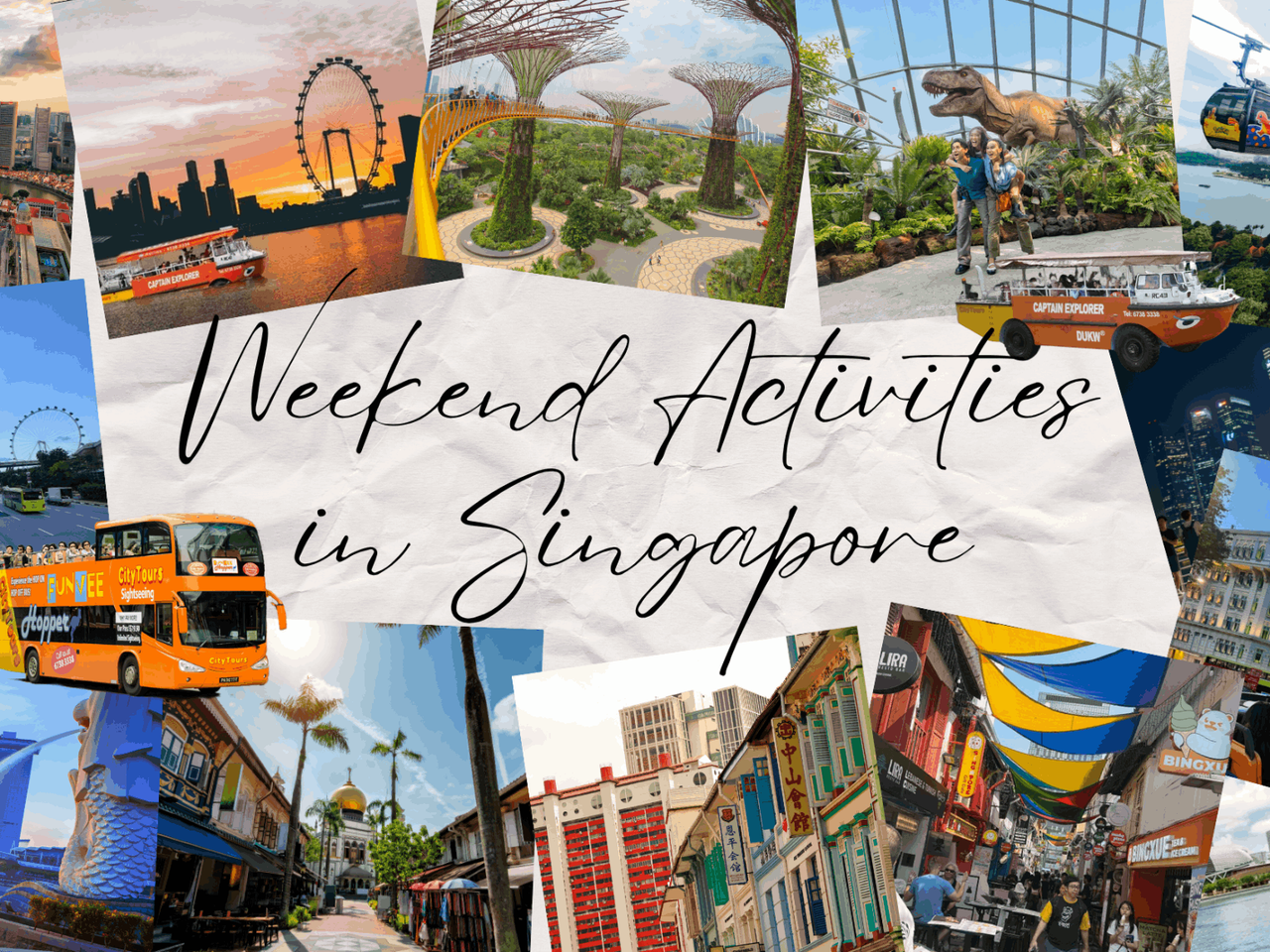
Marina Bay is Singapore's flagship skyline, anchored by Marina Bay Sands, the ArtScience Museum, waterfront promenades and the Merlion statue. Gardens by the Bay, just behind Marina Bay Sands, combines free outdoor areas like Supertree Grove and lakes with ticketed conservatories (Cloud Forest, Flower Dome) and evening light shows. The Colonial Core around City Hall and Stamford Road adds the National Museum and National Gallery, giving depth on Singapore's history and art within walking distance of the bay.
Sentosa Island & Resorts World
Sentosa is the resort island south of the city, packed with Universal Studios Singapore, beaches, cable cars, the Singapore Oceanarium, Adventure Cove Waterpark and other themed attractions. In 2026, Sentosa sees new highlights including Skydrop and the Big Klook Slide (among Southeast Asia's tallest dry slides), Dopamine Land interactive museum and Disney-themed events and runs. Sentosa suits families, couples and weekenders seeking a full-day destination where transport, food and attractions are tightly clustered.
Mandai Wildlife Reserve (Northern Singapore)
Mandai Wildlife Reserve in the north is the consolidated home of Singapore Zoo, River Wonders, Bird Paradise and the Night Safari. Newer experiences such as Exploria and immersive events like Minecraft Villager Rescue extend Mandai's appeal beyond traditional zoo visits, adding interactive, multi-sensory exhibits. A Mandai day is ideal for families and nature lovers, but requires factoring in travel time from the city and possible evening sessions for the Night Safari.
Heritage Neighbourhoods
Chinatown, Little India and Kampong Glam present Singapore's cultural mix through temples, shophouses, markets and food lanes. Walkable itineraries typically combine Chinatown in the morning, Little India in the afternoon and Kampong Glam/Haji Lane in the evening, balancing temple visits with hawker meals and café time. Further out, Joo Chiat/Katong and Tiong Bahru highlight Peranakan heritage and mid-century shophouses, making them popular for slower days and photography.
Free & Outdoor Nature
Singapore Botanic Gardens (a UNESCO World Heritage Site), East Coast Park, Southern Ridges and MacRitchie Reservoir offer free or low-cost green spaces for walking, picnics and family outings. Many "things to do" lists emphasise Botanic Gardens as one of the top free attractions, often paired with the National Orchid Garden inside. These spots work well as backup plans for days with lighter schedules or as balance against intensive attraction days.
Changi Airport & Jewel
Changi Airport itself is a destination, with Jewel's Rain Vortex, indoor forest, Canopy Park and family-friendly nets and mazes. Guides often recommend visiting Jewel either on arrival (if timing allows) or before departure, when you can combine check-in with several hours of shopping and attractions. Ticketed experiences like Bouncing Net or Mirror Maze have modest fees, making them easy to fit into layovers or spare half-days.
2026 Events & New Attractions
Singapore's 2026 calendar features supersized festivals, art shows, sports events and branded experiences across Marina Bay, Sentosa, Mandai and the city. Key highlights include i Light Singapore (light art festival at Marina Bay), Van Gogh immersive exhibitions, Disney-related runs and takeovers at Sentosa, Candlelight concerts in unique venues and the Formula 1 Singapore Grand Prix. New or notable attractions like Singapore Oceanarium, IMBA Theatre at Gardens by the Bay, Exploria at Mandai and Minion Land at Universal Studios expand the "what's new" list beyond traditional sights.
Comparison Table: Main Zones
| Zone | Core Theme | Ideal For | Typical Time Needed | Approx Ticket Spend (per person, excl. food) |
|---|---|---|---|---|
| Marina Bay & Gardens by the Bay | Skyline, waterfront, modern architecture, evening shows | First-timers, couples, photographers | 1 full day (day + night show) | SGD 0–40 (free outdoor areas; ~SGD 28 for conservatories; extra for museums) |
| Sentosa Island & Resorts World | Beaches, theme parks, family fun, resort vibes | Families, couples, cruise passengers | 1–2 full days | SGD 40–120 (USS ticket, oceanarium, waterpark or premium rides) |
| Mandai Wildlife Reserve | Zoos, wildlife, evening safari | Families, animal lovers | 1 full day + optional night | SGD 40–80 (single park or multi-park combo) |
| Heritage Neighbourhoods | Temples, markets, street food, culture | Food lovers, solo travelers, photographers | 1–2 days | SGD 0–20 (mostly free, food and occasional museum tickets) |
| Free & Outdoor Nature | Parks, walks, picnics | Families, runners, budget travelers | Half-day each | SGD 0–10 (transport and snacks) |
| Changi & Jewel | Airport layover, shopping, indoor nature | All visitors, families | 3–5 hours | SGD 0–30 (canopy attractions, food) |
Pricing Tables (Indicative 2026)
Key Attraction Tickets
| Attraction / Pass | Adult Price (approx) | Child Price (approx) | Notes |
|---|---|---|---|
| Gardens by the Bay (Cloud Forest + Flower Dome) | ~SGD 28 | ~SGD 15 | Conservatories only; outdoor areas free. Book online for queue savings. |
| Sands SkyPark Observation Deck | ~SGD 26 | ~SGD 20 | Includes digital photos; evening views are popular. |
| Singapore Cable Car (Sentosa + Mount Faber lines) | ~SGD 35 | ~SGD 25 | Good for combining city and Sentosa views. |
| Universal Studios Singapore (1-Day) | ~SGD 81 (via Klook Pass adult bundle) | ~SGD 61 | Check official site for direct ticket prices and opening hours. |
| Singapore Zoo (Mandai) | ~SGD 49 (base published) | Varies | Often bundled with tram ride or multi-park tickets. |
| Singapore Oceanarium | From ~SGD 42 (residents) / SGD 50 (tourists) | Varies | New generation aquarium at Resorts World Sentosa. |
Daily Budget Ranges (3–4 Day Trips)
| Category | Budget Traveler | Mid-Range | Comfort / Luxury |
|---|---|---|---|
| Accommodation (per night) | USD 20–35 (hostels, capsules) | USD 90–140 (mid-range hotels) | USD 160–250+ (upscale hotels & serviced apartments) |
| Food | USD 10–15 (mostly hawkers) | USD 25–40 (mix of hawkers and cafés) | USD 55–80 (restaurants, bars) |
| Transport | USD 5–6 (MRT/bus day passes) | Same, plus occasional taxis | USD 10–15 (more taxis/ride-hailing) |
| Attractions | USD 0–15 (free sights, occasional ticket) | USD 30–60 (1–2 paid attractions/day) | USD 70–120 (theme parks, bundles, special events) |
Pros & Cons
Marina Bay & Gardens by the Bay
- Pros: Iconic skyline, easy MRT access, strong mix of free and paid sights, high AI-friendly photo and "quick facts" potential.
- Cons: Can feel crowded and touristy; outdoor segments are hot mid-day; ticket costs add up if you stack conservatories and museums.
Sentosa Island
- Pros: Dense attractions in one area, ideal for families and weekenders, strong 2026 lineup of new experiences.
- Cons: Multiple ticketed activities can create expensive days; planning needed to avoid queues and fatigue.
Mandai Wildlife Reserve
- Pros: World-class zoo and wildlife experiences, strong for kids and nature fans, evening Night Safari adds variety.
- Cons: Travel time from city; hot outdoor walking; tickets and food add costs if visiting multiple parks.
Seasons & Events
- Dry-season months (February–April) offer more comfortable outdoor exploring but coincide with high-profile events and slightly higher demand.
- Monsoon months (November–January) can have longer rain spells but benefit from lower outdoor heat and more emphasis on indoor attractions.
Decision Guide
If You Have 3 Days
Focus: Day 1 Marina Bay + Gardens by the Bay, Day 2 Chinatown/Little India/Kampong Glam, Day 3 Sentosa or Mandai.
Best For: First-time tourists, cruise passengers with a short land stay, couples and small families wanting highlights without overload.
If You Have 5 Days
Focus: Add Botanic Gardens or Joo Chiat, a second Sentosa or Mandai day, and slower food-focused evenings at Clarke Quay or East Coast Park.
Best For: Families with younger children, honeymooners, expats hosting visiting relatives, and travelers combining Singapore with regional trips.
Families With Kids
Recommended zones: Sentosa (USS, beaches, oceanarium), Mandai (Zoo, Night Safari, River Wonders), Botanic Gardens and Jewel.
Strategies: Alternate high-energy days with slower park or neighbourhood days; time indoor attractions for midday heat and naps.
Couples
Recommended zones: Marina Bay evenings, Candlelight concerts and shows, Sentosa beach clubs, heritage neighbourhood cafés and rooftop bars.
Strategies: Combine one "big ticket" day (USS or F1 weekend) with two slower culture/food days for balance.
Solo Travelers & Expats
Recommended zones: Heritage neighbourhoods, hawker centres, museum days, Joo Chiat and East Coast Park, plus selective event nights.
Strategies: Use flexible attraction passes and public transport; build custom routes around food and quieter spots rather than only major attractions.