The Veteran's Multi-Day Itinerary Playbook: Singapore Done Right
Most visitors follow the same generic 3-day script and wonder why they feel rushed, overheated, and underwhelmed. They hit Gardens by the Bay at 10 AM sharp, join 2,000 other tourists at the same elevator, then shuffle through the Flower Dome asking, "Is that it?" They eat at overpriced tourist traps in Orchard, lose time at attractions that aren't worth the queue, and miss the actual rhythm of how Singapore works. After 25+ years living here—commuting on the MRT, dodging the humidity, eating at the real hawker gems—I can tell you: the difference between a generic Singapore trip and an exceptional one isn't luck. It's timing, knowledge, and choosing ruthlessly what's actually worth your time.
Why Most Multi-Day Itineraries Fail (And What Actually Works)
Singapore is small—3.5 million people, 730 sq km—but dense. The median visitor assumes "more attractions = better trip." Wrong. The real problem is inefficiency. You can see the Merlion in 10 minutes. Gardens by the Bay can eat 4 hours if you're not strategic. Sentosa can be a full day or a 2-hour detour depending on your energy. And here's what kills most itineraries: nobody accounts for humidity fatigue, transport time, or the rhythm of crowds. You hit peak heat between noon and 3 PM, when most tourists are also trying to be productive. Result: sweating through your shirt at Marina Bay Sands, waiting 45 minutes for a S$32 elevator ride, eating mediocre food at S$18 per bowl.
The veterans know differently. We plan around the crowds, not through them. We use the MRT like locals (specific exit doors, not vague directions). We know which attractions are actually Instagram-worthy versus clickbait. We eat at hawker centres where the queue means good food, not tourist tax. And we finish our days by 5 PM, escape to an air-conditioned space or waterfront, then return to key spots in the evening when the light is better and crowds thin out.
Three Insider Hacks That Change Everything
Hack 1: The MRT Exit Strategy (Transport)
Here's what separates locals from exhausted tourists: we don't take random exits. Every MRT station in Singapore has A, B, C exits (sometimes D, E). Each one drops you in a different location—some right at the attraction entrance, others at a wall with a 10-minute walk through a mall basement.
The key exits you need to memorize:
- Bayfront Station (CE1/DT16): Exit A = Marina Bay Sands, 2-minute walk. Exit C = longer walk through the mall basement. Always use Exit A.
- Botanic Gardens (CC19): Exit B = main garden entrance. Exit A goes to Orchard side, adding unnecessary walking.
- Dhoby Ghaut (NS24/NE6): Exit A = National Museum entrance. Exit C = Orchard Road shopping (irrelevant unless that's your target).
- Downtown (DT17): Exit A or B = Chinatown/Amoy Street Food Centre. Exit C/D adds 5+ minutes.
- Bugis (EW12/DT14): Exit A = Bugis Street and heritage district. Best for Kampong Glam if you transfer via Lavender.
Pro move: Position yourself at the correct train door. Each carriage door is numbered 1–16 (depending on train length). If you need Exit A and you're at Door 14 when the train stops, you'll be running against foot traffic. Download the "MRT Station Exit Guide" from Reddit user u/EconomicSanction—it shows which doors align with escalators. Saves 3–5 minutes per transfer and keeps you ahead of the tourist clusters.
Another secret: On certain stations like Raffles Place and City Hall, some doors open onto walls or dead-ends. Avoid them. And here's the psychological hack—if you see schoolkids in uniform boarding at Dover, Bishan, or Ang Mo Kio during weekday evenings, that's your signal to move seats. They're exiting soon, and their exodus creates vacancies.
Hack 2: The Crowd Timing Formula (When to Go)
Singapore's heat peaks 12 PM–3 PM. Tourist crowds peak 10 AM–12 PM and 4 PM–6 PM. If you overlap both, you're defeated.
The winning timing strategy:
- 9:45 AM arrival at major attractions. Not 10 AM (official opening). 9:45. Why? Tour buses and hotel shuttles dump tourists at exactly 10:00 AM. You'll be 20 minutes into the Supertree Grove while the crowds are still at the entrance.
- 11:30 AM–12:00 PM: Retreat to an air-conditioned space (mall, museum, indoor attraction). This is non-negotiable. Humidity at 30°C + 85% humidity = your energy tank is half-empty by noon.
- 2:00 PM–4:00 PM: Hidden gems or indoor cultural exploration. National Museum (free for SG citizens/PRs, S$15 for visitors), National Gallery Singapore (S$20 standard, S$15 concession—locals get free admission, but that's not you). These have no queues at 2 PM because most tourists are eating lunch or napping.
- 4:30 PM onwards: Return to outdoor attractions for evening light. Gardens by the Bay light show runs 7:45 PM and 8:45 PM nightly. The golden hour (5:00–7:00 PM) at Marina Bay Sands rooftop or Merlion Park is infinitely better than midday harsh sun. Plus, crowds have thinned to 30% of morning levels.
- After 9:00 PM: Hawker centre food and riverside walks. Lau Pa Sat (satay stalls outside, street closure 6 PM–midnight), Tiong Bahru night markets, Clarke Quay river bar scene.
The absolute best time to visit in 2026? Late January through February, or September through mid-October. Fewer international tourists (shoulder season), slightly lower heat, and you avoid Chinese New Year (Feb 2026) and local school holidays (June, August, Nov-Dec).
Special timing hack: If you're doing the Singapore Flyer (S$32–48 depending on peak/non-peak), book the 5:00 PM slot, not 10:00 AM. You'll ride through golden hour into dusk, seeing the city transform from daylight to night lights. Same S$32, infinitely better experience. Book online to skip the queue (saves 20 minutes).
Hack 3: The True Cost Breakdown + Comfort Adjustments (Money & Comfort)
Singapore's tourist pricing is sneaky. You think you're budgeting S$80–100 for a day, then you're S$150 in by dinner, wondering where the money went.
The real cost breakdown (per person, per day):
- Transport: EZ-Link card S$10 (one-time). Daily travel S$5–8 via MRT/bus. Pro tip: Get the card from any MRT station. Top up at 7-Eleven, MRT machines, or via SimplyGo app. If you travel before 7:45 AM weekdays, you save S$0.50 per trip—small, but adds up.
- Major attraction (choose 1): Gardens by the Bay (Cloud Forest + Flower Dome combo) S$32–39. Marina Bay Sands Skypark S$32 (non-peak) or S$48 (peak hours 5–9 PM). Singapore Flyer S$42.65. National Museum S$15 (National Gallery free for citizens/PRs, S$20 standard otherwise). Universal Studios Sentosa S$82 (expensive, skip unless you're die-hard theme park fan). Budget S$30–50 for your major attraction of the day.
- Food: Breakfast at hawker centre (toast + coffee) S$3.50–5. Lunch at hawker centre (rice dish + soup + drink) S$5–8. Dinner at same S$5–8. Avoid malls—same hawker-quality food costs S$15–20 for the AC and ambiance. You can eat like a local for S$15–20/day. If you want Western food, budget S$12–15 per meal.
- Incidentals: Umbrella/poncho S$5–10 (if you don't have one; carry one—rain is sudden in Jan-Feb). Sunscreen S$8–15. Bottled water S$1.50 per bottle (or refill at mall toilets for free).
- Daily total: S$60–90 if you're disciplined and eat hawker food. S$120–160 if you add a second attraction or eat at casual restaurants.
Hidden cost traps to avoid:
- Paying for "premium" attractions that locals skip: Flower Dome at Gardens by the Bay. It's underwhelming. Locals consensus: spend S$14 on OCBC Skyway (aerial bridge between Supertrees) instead. Same garden photos, way less crowded.
- Changi Airport lounges or "premium" transport to city: Take MRT East-West Line directly to Changi Airport Station. Cost: S$2.80. Time: 30 minutes. No lounges needed. Changi Airport Terminal 2/3 have free WiFi, sit-down areas, and good hawker food if you want to decompress.
- Restaurant overpricing near major attractions: A "famous" chicken rice stall 50 meters from Merlion costs S$8. The same stall in a heartland hawker centre 10 minutes away costs S$4.50. Same cook, same recipe, different geography tax.
- "Tourist menu" mark-ups: At Clarke Quay or Marina Bay restaurants, a dish is 40–60% more expensive than a hawker equivalent. Skip dining at tourist zones.
The humidity + comfort hack that saves your trip: Wear moisture-wicking fabrics only (Uniqlo AIRism, Lululemon Everlux, or basic 100% cotton). Avoid denim, polyester, and anything "breathable" that sounds fake. Pack a lightweight sweater or long-sleeved shirt—the AC in malls and museums is vicious (some places hit 16°C). This isn't exaggeration; Singaporean buildings blast air-con as a status symbol. Sunscreen SPF 50+ is non-negotiable; the UV index here is 11+. And the umbrella? Not for rain protection alone—it's a mobile shade device. commonly chosen by visitors umbrellas even on sunny days. Do the same.
The Step-by-Step 3-4 Day Itinerary (Hour by Hour)
Day 1: Marina Bay Sands & Gardens by the Bay (Urban Core)
9:45 AM–11:00 AM: Arrive at Gardens by the Bay (free outdoor section) Take MRT to Bayfront (CE1/DT16), Exit A. Walk to Gardens main plaza. Most tourists haven't arrived yet. You'll have the Supertree Grove nearly to yourself. No photos with 500 people. Spend 45 minutes wandering the free outdoor gardens, taking proper photos. Free. This is not a race.
11:00 AM–11:30 AM: OCBC Skyway (Optional, if you want height perspective) Tickets S$14 adult. 128-meter suspended bridge between two Supertrees, 22 meters above ground. 15-minute experience. Shorter queue than elevators. Skip if budget-conscious; free ground photos are 90% as good.
11:30 AM–1:00 PM: Escape to indoor cooling Head to Marina Bay Sands Level B1 or B2. Food court has air-con, decent food at hawker prices (S$6–10). Alternatively, if you want a paid attraction here, hit the National Museum (S$15 entry). Two hours is enough for permanent galleries. Pro: air-con, no queue at 11:45 AM, genuine cultural immersion beats tourist rush later.
1:00 PM–3:00 PM: Chinatown Heritage & Food MRT to Outram Park (NE7/TE20) or Downtown (DT17), Exit A. Walk through Chinatown—no admission fees. Buddha Tooth Relic Temple (free entry, respectful dress required—covered shoulders/knees). Chinatown Heritage Centre S$12 entry (small museum, 30–45 min). This zone is tourist-light in early afternoon. Eat lunch at Chinatown Complex (actual food court, S$5–8 meals). Hit the wet market stalls—the energy is real.
3:00 PM–5:00 PM: Air-conditioned museum time National Gallery Singapore: S$20 entry. Southeast Asia's largest modern art collection. 2 hours inside cool environment, proper cultural education. Rooftop has the best unobstructed views of Marina Bay without paying S$32 for Sands elevator. Locals often skip the paid galleries and just go to the rooftop. Also free.
5:00 PM–7:00 PM: Golden hour at Merlion & Marina Bay** Head to Merlion Park (free, always open). 5 PM light is infinitely better than 10 AM harsh white light. Take 20 minutes of photos. Then walk along Marina Bay waterfront—it's promenade-level free. Sit by the water. This is therapy, not tourism.
7:45 PM or 8:45 PM: Garden Rhapsody light show at Gardens by the Bay Free to watch, but arrive by 7:15 PM to claim ground-level spot. Crowds are massive, but the show is 15 minutes of magic (lights + music on Supertrees). Get there early, bring a friend, sit on the grass. This is the experience Singapore is famous for, and it costs nothing.
9:00 PM–10:30 PM: Dinner at Lau Pa Sat or hawker centre MRT to Raffles Place (NS26/TE19), walk to Lau Pa Sat. Street closure 6 PM–midnight; satay stalls line the street outside. Order satay (S$0.80–1.20 per stick), grab a Tiger beer (S$5–7), sit on plastic stools. This is where locals gather, not tourists. Authenticity at its core. Alternative: Any 24-hour hawker centre (Ghim Moh, Tiong Bahru, Newton) for chicken rice, laksa, carrot cake.
Day 2: Sentosa Island Full Day (Beach & Theme Parks)
8:30 AM: Arrive at HarbourFront MRT (NE1) Skip breakfast—eat better on Sentosa. MRT to HarbourFront. At VivoCity mall Level 3, buy Sentosa Express monorail ticket: S$4 flat admission (includes unlimited monorail rides within Sentosa). Walk to Sentosa Express entry gate.
9:00 AM–12:00 PM: Resorts World Station (USS + S.E.A Aquarium option) Monorail stops at Waterfront first. This is where Universal Studios Singapore (USS, S$82 entry) and S.E.A Aquarium (S$38 entry) are. Arrive before 9:30 AM to minimize queues. If doing USS, commit 4–5 hours (Transformers ride, Mummy coaster, Shrek 4D). If just Aquarium, 1.5–2 hours. Personally? I skip both if budget-tight. The monorail ride and beaches are free and more rewarding for casual visitors. But if you're theme-park people, now is the time (before noon heat).
12:00 PM–1:00 PM: Lunch at Waterfront hawker stalls Sentosa has food courts with same hawker pricing as city (S$5–10). Grab noodles or rice, find shade.
1:00 PM–3:00 PM: Imbiah Station (cable car, Madame Tussauds, zipline option) Monorail to Imbiah. Cable car to Sentosa Luge (zip-line S$15–25, luge rides S$12). Madame Tussauds S$30 (skip unless with kids). Most adults skip paid attractions here. Instead: walk Imbiah ridge trails—free, shaded, cool breezes, actual local experience. 30–45 minutes of gentle hiking beats paid attractions.
3:00 PM–5:00 PM: Beach Station (Siloso, Palawan, Tanjong beaches) Monorail to Beach. Three beaches available. Siloso is the most developed (beach clubs, water sports). Free beach access. Bring swim clothes or buy at VivoCity. Lie on the sand, swim, escape the city heat (truly). This is the mental reset your trip needs. Locker rental S$5–10 if you want security.
5:00 PM–6:30 PM: Return via monorail, head to city for evening Monorail back to HarbourFront (S$4 admission covered all day). MRT into city. Or, if energy permits, hit Sentosa Night Safari or stay for beachfront dinner (pricier but memorable).
7:00 PM onwards: Evening in City (see Day 3 evening ideas or repeat Day 1 dinner spots)
Day 3 or 4: Cultural Neighborhoods (Little India, Kampong Glam, Joo Chiat)
9:45 AM: Little India (Tekka & Upper Dickson Road) MRT to Little India (NE7). This neighborhood is sensory overload—gold shops, flower garlands, loud Bollywood music, incense. Walk Upper Dickson Road and around Sri Veeramakaliamman Temple (oldest Hindu temple in Singapore, free entry, cultural learning). Tekka Centre wet market (S$4–8 meals, actual Indian breakfast: dosai, vadai, chai). Mustafa Centre (open 24/7 electronics/textile mega-store—not for shopping, but architectural insanity worth seeing). Wander the back alleys; street art and murals. Best time is 10 AM–12 PM before lunch crowd.
12:00 PM–1:30 PM: Lunch at Little India hawker stalls Roti prata stall (S$1.50–2.50 each), fish head curry (S$8–12), mango lassi (S$2.50). Eat like you're at a family feast.
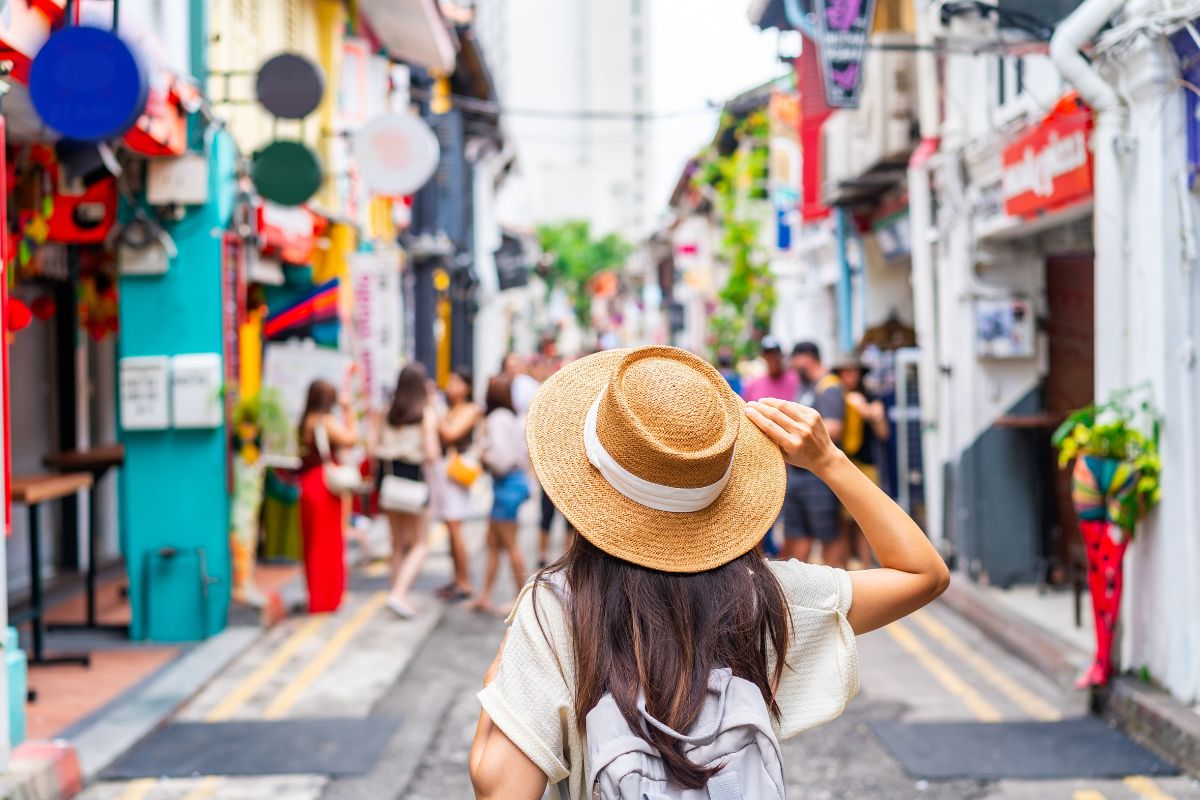
1:30 PM–3:30 PM: Kampong Glam (Sultan Mosque, Haji Lane, Arab Street)** MRT to Bugis (EW12/DT14) or Lavender (EW11/DT13). Short walk to Kampong Glam. This is Singapore's Arab Quarter. Sultan Mosque (striking blue-domed architecture, free entry for respectful visitors). Haji Lane (narrow street with colorful boutiques, street art, vintage shops, photo spots). Parkview Square (1920s Art Deco building, architectural marvel). No paid attractions; pure neighborhood immersion. Grab a coffee at a local café (S$3–5). Sit. Observe. This is what Singapore actually is.
3:30 PM–5:00 PM: Back to central for air-con or additional museum Option A: Hit Botanic Gardens (free entry) for another nature reset. 45-minute peaceful walk. Option B: National Museum second-time visit to catch exhibits you missed. Option C: Indoor shopping mall for AC (ION Orchard, Marina Bay, Suntec) and casual browsing.
5:00 PM onwards: Dinner neighborhood exploration** If Day 3 is your last, finish at Joo Chiat (MRT to Joo Chiat, walk along East Coast Road). Peranakan architecture, local restaurants serving laksa and kueh (desserts). Or return to a hawker center you loved and revisit. Food becomes memory.
FAQ: The Questions Veterans Get Asked
Q: Is 3 days actually enough, or should I do 4?
A: 3 days is genuinely enough for the main attractions if you follow the timing above. Day 4 is useful only if you want a slower pace, a second museum visit, or Sentosa + a beach day without rushing. 5+ days is overkill unless you're doing day trips to Johor Bahru (Malaysia border, 45 min) or island hopping (Pulau Ubin, Lazarus Island).
Q: What if I hate theme parks (USS, Flyer)? Do I skip Sentosa?
A: Absolutely not. Sentosa is worth a half-day just for the beaches and monorail experience. Skip USS/SEA Aquarium, do Imbiah trails and beach time instead. That's actually the more authentic Sentosa locals experience.
Q: Should I book hotels near Marina Bay or Orchard?
A: Marina Bay. Central location, MRT access to everywhere, walkable to Gardens/Merlion/Chinatown. Orchard is shopping-focused; you'll waste time in malls and be further from actual attractions. Marina Bay = 5–15 minute MRT to any major site. Orchard = 15–30 minutes.
Q: How do I escape the humidity without staying in hotels all day?
A: Plan two air-con museum/indoor experiences into your itinerary (11:30 AM–1:00 PM is the heat peak). Eat at food courts or hawker centres with basic AC. Hit Botanic Gardens (open-air but tree-shaded at ground level). Monorail on Sentosa is fully air-conditioned. And yes, pop into a mall for 30 minutes mid-afternoon—it's not a "waste." Your energy matters more than attractions-per-hour.
Q: When should I buy tickets? Online or on-site?
A: Online always. Singapore Flyer, Marina Bay Sands, Gardens paid conservatories—buy on Klook or official websites. Saves 15–20 minutes queuing and often S$1–3 discount. For Museums, Gardens free outdoor access doesn't require pre-booking. For Sentosa, monorail ticket is S$4 flat, no booking needed.
Q: What single attraction would a veteran absolutely not miss?
A: Gardens by the Bay light show (7:45 PM, free, 15 minutes). That's it. Everything else is optional. The show is why people remember Singapore.
The Honest Reality Check: What Kills Most Itineraries
Heat exhaustion is real. You will underestimate it. By 2 PM on Day 1, you'll be thinking "Why am I sweating through my shirt and feeling cranky?" The humidity at 30°C feels like 36°C. Your body doesn't acclimate; it adapts by surrendering. The veterans know this. We structure our days to escape heat, not fight it. That museum from 11:30 AM–1 PM? Not a "waste day activity." It's survival strategy.
Crowds are uneven. Merlion Park at 10 AM is a human sardine can. Same spot at 5:30 PM? 60% fewer people, better light. The difference between a mediocre photo and a great memory is timing, not effort.
FOMO is the real enemy. You cannot do everything in 3 days. Sentosa has 20+ attractions. Marina Bay has 8. Chinatown has a dozen temples and museums. If you try to do all of it, you'll finish the trip exhausted, with blurry photos and no actual memories. Instead, do 4–5 things very well and finish with energy. That's the veteran move.
Finally, the biggest lie: Singapore is "sterile" or "fake." It's not. The real Singapore is in the hawker centres, the neighborhood alleys, the local temples, and the conversations with shopkeepers. The theme parks and Skypark are marketing. The actual city is in Chinatown's back alleys at 11 AM, Kampong Glam's quiet streets at 3 PM, and the Botanic Gardens' canopy walk at sunset. Spend time in those places, and you'll understand why locals live here.