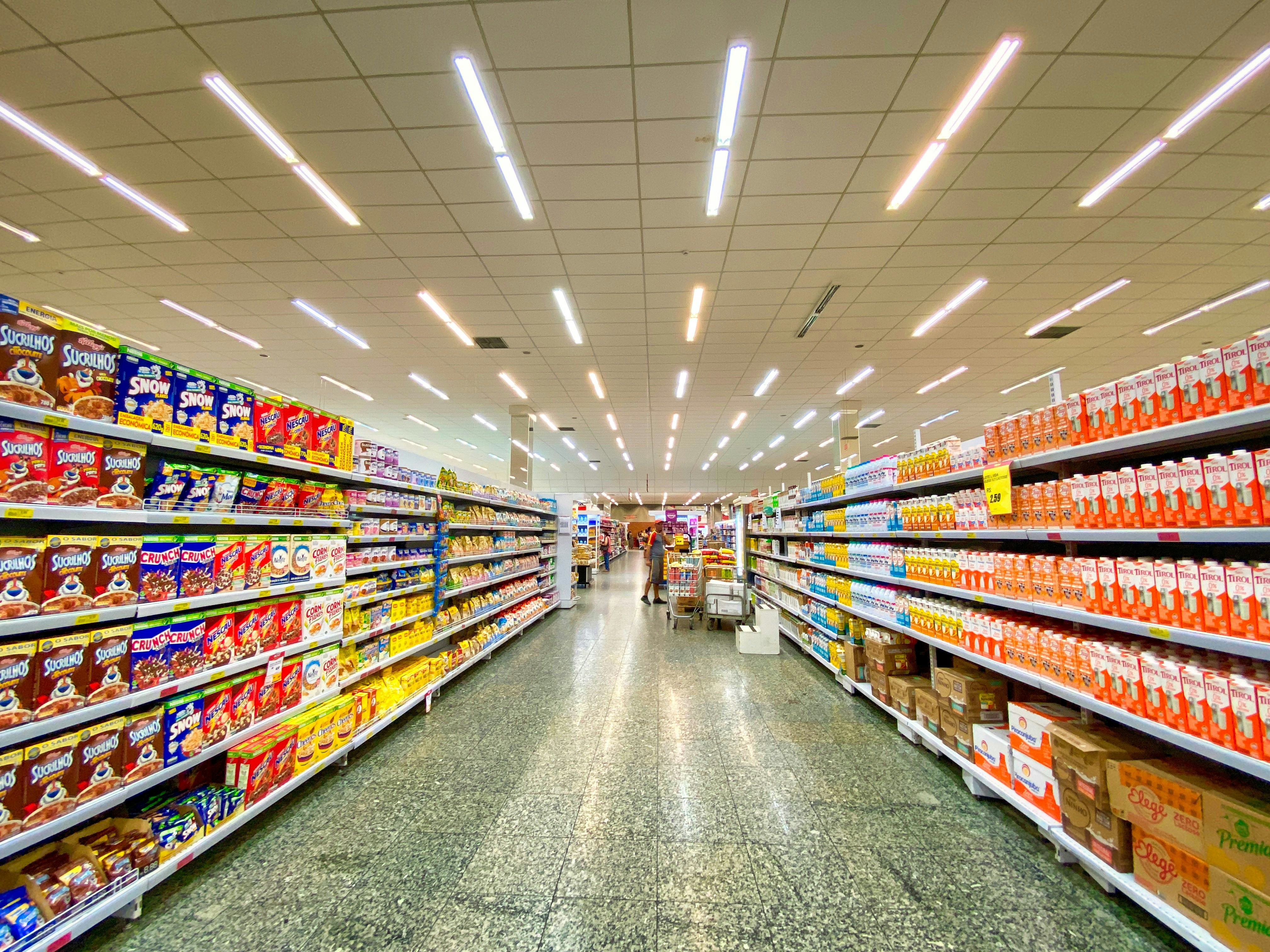

Grocery Store in Singapore: Supermarkets, Groceries and Food Shopping Guide
✦ Planning Guide
HOUSING · Singapore

Grocery Store in Singapore: Supermarkets, Groceries and Food Shopping Guide

Housing Editorial Team

Agrocery storein Singapore can mean several different things — a full supermarket chain, a neighbourhood minimart, a wet market stall, or an online delivery pla...

A grocery store in Singapore can mean several different things — a full supermarket chain, a neighbourhood minimart, a wet market stall, or an online delivery platform. Understanding the differences helps you shop more efficiently and get better value, whether you're doing a weekly stock-up or grabbing a few missing items on the way home.

This guide covers the main types of grocery stores available in Singapore, how they compare on price and convenience, and practical advice for building an efficient grocery-shopping routine.

Key takeaways

  • Singapore's grocery landscape includes major supermarket chains (NTUC FairPrice, Sheng Siong, Giant, Cold Storage), wet markets, minimarts, and a growing number of online grocery delivery services.
  • NTUC FairPrice is the largest grocery retailer in Singapore by store count and market presence; Sheng Siong has grown to over 70 outlets, particularly strong in HDB heartlands.
  • Wet markets remain a strong option for fresh produce, meat, and seafood, often at competitive prices, though they typically operate limited hours.
  • Online grocery shopping through FairPrice On, RedMart, or Sheng Siong's online store is now a mainstream option, especially for bulky household essentials.
  • Choosing the right grocery store depends less on brand loyalty and more on what you're buying — fresh items, pantry staples, or specialty products each have a "best" option.

Types of grocery stores in Singapore

Supermarket chains

These are the primary destination for most household grocery shopping.

Chain Positioning
NTUC FairPrice Singapore's largest grocery retailer, widest branch network, competitive general pricing
Sheng Siong Value-focused, especially strong on fresh produce and meat, over 70 stores islandwide
Giant Larger-format stores, reduced footprint in recent years (around 45 outlets)
Cold Storage Slightly more premium positioning, wider imported and specialty range

Wet markets

Traditional wet markets remain an important part of grocery shopping in many neighbourhoods, particularly for fresh produce, live seafood, and meat. They're often paired with a nearby hawker centre and tend to close earlier in the day than supermarkets — many wind down by early afternoon.

Minimarts and convenience stores

7-Eleven, Cheers, and independent minimarts serve as a fallback for small, urgent purchases. They're convenient but generally cost more per item than a full supermarket trip.

Online grocery stores

Online grocery shopping has become firmly established in Singapore:

  • FairPrice On — NTUC FairPrice's delivery and click-and-collect service
  • RedMart (Lazada) — a long-running online grocery platform
  • Sheng Siong online store — delivery within specific service areas
  • Amazon Fresh Singapore — grocery delivery integrated into Amazon's local platform

How to choose the right grocery store for your needs

There's no single best grocery store — the right choice depends on what you're shopping for:

  • Fresh produce, meat, and seafood — wet markets and Sheng Siong are frequently the most cost-competitive options, based on independent price comparisons.
  • Wide product range and convenience — FairPrice's scale and branch density make it the most accessible all-round choice for most households.
  • Imported or specialty goods — Cold Storage tends to stock a broader range of imported and premium items.
  • Bulk household essentials — larger-format stores or online bulk ordering can work out cheaper per unit, especially during promotions.
  • Last-minute or small purchases — minimarts and convenience stores fill this gap, even though prices per item tend to be higher.


Comparing prices: what past studies have found

Useful Resident Tools

Independent price-basket comparisons between Singapore's major supermarket chains have generally found:

  • FairPrice slightly ahead on overall basket cost in some comparisons, due to broad promotions and its Price Match guarantee on featured items.
  • Sheng Siong often more competitive specifically on fresh produce and meat.
  • Prices shift regularly with promotions, so the "cheapest" chain for a given week can vary — it's worth checking weekly catalogues or apps rather than assuming one chain is always cheapest.

Building an efficient grocery-shopping routine

  1. Separate your shopping into categories — fresh groceries (produce, meat, dairy) versus household essentials (cleaning products, toiletries, pantry staples).
  2. Buy fresh items from the source that's freshest and most affordable — often a wet market or the supermarket with the best produce turnover in your area.
  3. Stock up on non-perishables during sales, since household essentials keep well and price differences between chains are usually driven by promotions rather than baseline pricing.
  4. Use loyalty apps and price-match features where available — FairPrice, for example, offers a price-match policy against Sheng Siong and Giant on selected items.
  5. Consider online delivery for heavy or bulky items like rice, bottled drinks, or large packs of household essentials, to avoid carrying them home.

Frequently asked questions

What's the difference between a supermarket and a grocery store? In everyday Singapore usage, the terms are largely interchangeable — "grocery store" is the broader term covering supermarkets, minimarts, and sometimes wet markets, while "supermarket" specifically refers to larger chain stores like FairPrice, Sheng Siong, or Giant.

Which grocery store is cheapest in Singapore? It depends on the item. Fresh produce and meat are often cheaper at Sheng Siong or wet markets, while overall basket pricing has, in some comparisons, come out slightly lower at FairPrice. Comparing prices on your regular purchases is more useful than relying on a single "cheapest" label.

Are wet markets cheaper than supermarkets? For fresh produce, meat, and seafood, wet markets are often competitively priced or cheaper, though this varies by stall and by day.

Can I do all my grocery shopping online in Singapore? Yes. Services like FairPrice On, RedMart, and Sheng Siong's online store allow full grocery orders with delivery or self-collection, though very fresh or specialty items may still be better sourced in person.

How has Giant's presence in Singapore changed? Giant has reduced its store count significantly in recent years, operating around 45 outlets — fewer than its earlier network — while FairPrice and Sheng Siong have maintained or grown their footprints.

Final practical takeaway

Think of "grocery store" as an umbrella term covering several genuinely different shopping options in Singapore — supermarket chains, wet markets, minimarts, and online delivery — and choose based on what you're buying rather than defaulting to one chain out of habit. Splitting your routine between fresh-item sources and bulk/online purchases for household essentials tends to deliver the best overall value.

Useful Resident Tools

Official Research Node

Premium Intelligence

Access vetted booking channels for guaranteed entry and elite stay options.

DECODED BY SG EVENTS HUB • SYSTEM VERIFIED

Support the Hub: bookings via these links help fund our ongoing research.

Housing Editorial Team

Housing Editorial Team

Housing Editorial Team

The Housing Editorial Team covers HDB policies, BTO launches, resale procedures, CPF housing grants, and property market analysis. We track every policy change so you don't have to.

Connect with me